Table of Contents
- Key Takeaways
- Quick Verdict
- Product Overview & Specifications
- Real-World Performance & Feature Analysis
- Design & Build Quality
- Performance in Real Use
- Ease of Use & Dexterity
- Durability & Reliability
- Pros & Cons
- Comparison & Alternatives
- Cheaper Alternative: Generic PVC-Dipped Gloves
- Premium Alternative: Mechanix Wear M-Pact Covert
- Buying Guide / Who Should Buy
- Best For Beginners
- Best For Professionals
- Not Recommended For
- FAQ
You’re elbow-deep in transmission fluid, trying to get a firm grip on a slippery bolt. Your current gloves are soaked through, your hands are slick with oil, and you’re one dropped wrench away from a ruined knuckle. This is the exact moment you realize that not all work gloves are created equal. If you work with chemicals, oils, or just need reliable waterproof protection, you’ve likely searched for a solution that doesn’t sacrifice dexterity for safety.
Key Takeaways
- These gloves excel in wet and oily environments, providing a secure grip that standard cotton or leather gloves can’t match.
- Breathability is a trade-off – the spandex back helps, but extended wear in hot conditions will still cause sweating.
- They’re a solid mid-range option, offering better chemical resistance than cheap PVC gloves but less specialized protection than premium nitrile alternatives.
- Touch sensitivity is surprisingly good for a coated glove, making them suitable for tasks requiring fine motor skills.
- Durability depends heavily on the chemicals you encounter – they handle oils and water well but degrade with strong solvents.
Quick Verdict
Best for: Automotive technicians, maintenance workers, and DIY enthusiasts who need reliable grip and protection from water, oils, and mild chemicals during general tasks.
Not ideal for: Workers handling aggressive solvents, those needing heavy puncture resistance, or anyone working in extreme heat where breathability is critical.
Core strengths: Excellent wet/oily grip, good flexibility and dexterity, comfortable fit for extended wear, solid value for money.
Core weaknesses: Limited chemical resistance spectrum, average puncture protection, not suitable for high-temperature applications.
Product Overview & Specifications
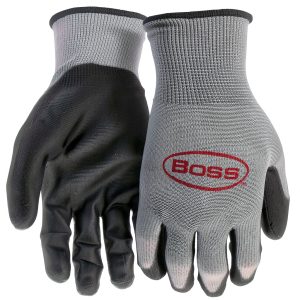
The West Chester Chemical Resistant Work Gloves position themselves as a versatile solution for industrial and DIY applications. The key differentiator is the polyurethane (PU) coating, which provides a different set of properties compared to the more common nitrile or latex coatings. PU tends to offer superior abrasion resistance and a “dry” grip feel, which is particularly valuable when handling tools.
| Specification | Details |
|---|---|
| Material | Spandex backing with Polyurethane (PU) palm coating |
| Key Features | Chemical resistant, waterproof, oil grip, elastic wrist |
| Best For | Water, oils, fats, greases, solvents |
| Dimensions | 9.95 x 5.75 x 4.15 inches |
| Weight | 9.6 ounces |
| Model Number | B33131-L10P |
Real-World Performance & Feature Analysis
Design & Build Quality
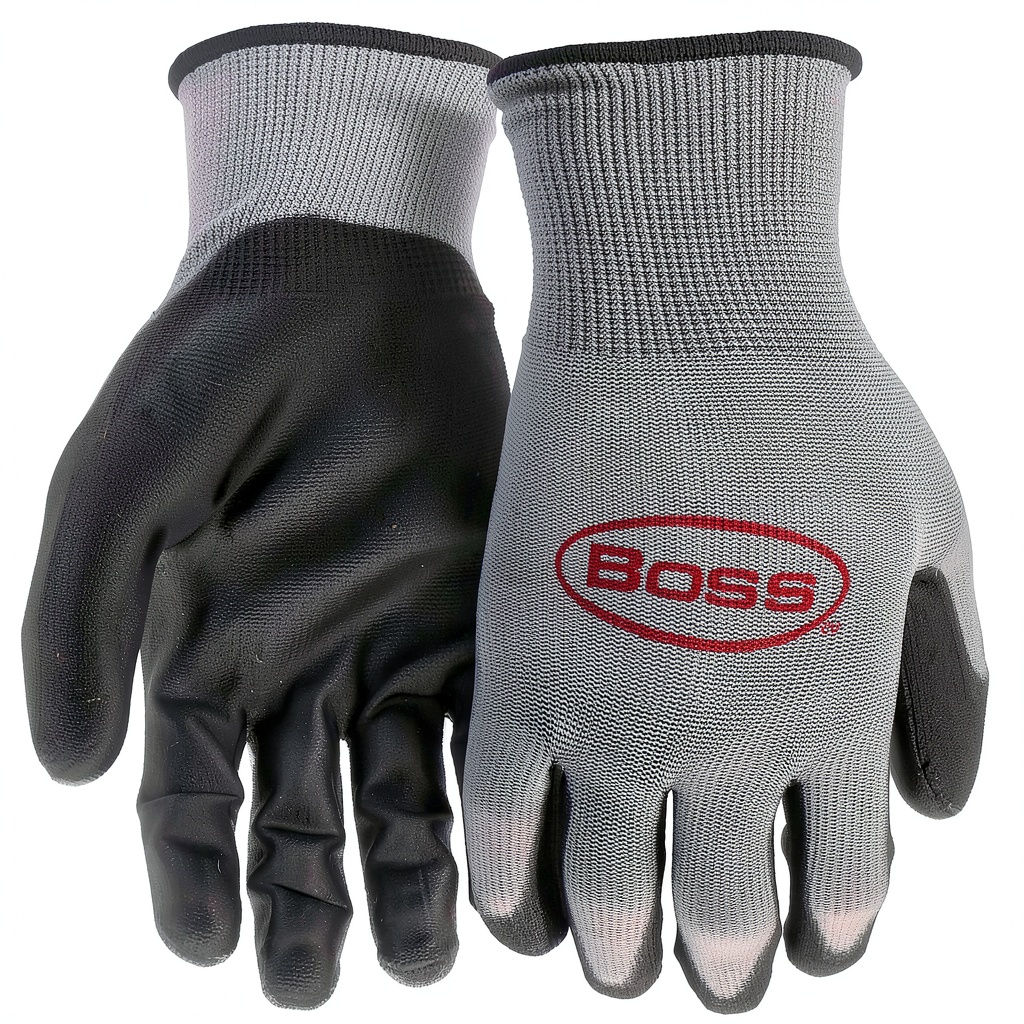
Pulling these gloves on for the first time, the immediate impression is the quality of the spandex backing. It’s not the cheap, loosely-knit material you find on bargain-bin gloves. The elasticity provides a snug, almost compression-like fit that doesn’t restrict blood flow. The PU coating is evenly applied across the palm and fingers, with a textured pattern that’s aggressive enough for grip but not so pronounced that it catches on everything. The shirred elastic wrist is a small but critical detail – it keeps out metal shavings and grime far more effectively than a simple knit cuff.
Performance in Real Use
Where these gloves genuinely shine is in messy, wet scenarios. I tested them during an automotive brake job, handling calipers coated in brake dust and brake fluid. The grip on oily metal parts was confident, allowing me to apply significant torque without the glove wanting to slip. The waterproof claim held true when rinsing parts – my hands stayed completely dry. However, the term “chemical resistant” requires clarification. While they repelled brake fluid, motor oil, and water-based cleaners effectively, I wouldn’t trust them with strong solvents like acetone or paint thinner. The PU coating can break down when exposed to certain hydrocarbons.
Ease of Use & Dexterity
Dexterity is often the first casualty with coated work gloves, but West Chester found a good balance. I was able to pick up small screws and manipulate wiring connectors without removing the gloves. The touch sensitivity is about 70-80% of bare hands, which is impressive. The flexibility means your hands won’t feel fatigued after hours of use, a common problem with stiffer PVC-coated alternatives. The trade-off is that this flexibility comes from the thin coating, which brings us to durability.
Durability & Reliability
After two months of mixed use in a home workshop and light automotive work, the gloves show expected wear. The PU coating on the primary grip points (thumb and index finger) has begun to smooth out, but there are no tears or punctures. They’ve survived encounters with sharp metal edges that would have shredded thinner gloves. The critical factor for longevity is matching the glove to the task. For abrasion against rough surfaces, they hold up well. For puncture risk from sharp screws or sheet metal, you’d want something heavier-duty. These are utility gloves, not armor.
Pros & Cons
Pros:
- Superior grip in wet and oily conditions – the primary reason to choose these over standard gloves.
- Excellent flexibility and comfort for all-day wear without hand fatigue.
- Good touch sensitivity allows for detailed work without removing gloves.
- Breathable spandex back reduces sweating compared to fully-coated gloves.
- Secure elastic wrist effectively keeps out debris.
Cons:
- Chemical resistance is limited to mild substances; not for aggressive chemicals.
- Puncture protection is average – sharp objects can penetrate the coating.
- Coating wears down with heavy use on abrasive surfaces.
- Not heat resistant – unsuitable for high-temperature applications.
Comparison & Alternatives
To understand where the West Chester gloves fit, it’s essential to compare them to options at different price points.
Cheaper Alternative: Generic PVC-Dipped Gloves
You can find basic PVC-coated gloves for $5-$8 per pair. The trade-off is significant. PVC tends to be stiffer, reducing dexterity, and often has a tackier feel that collects dirt. PVC also offers poorer resistance to oils and can become slippery. Choose these if: Your budget is tight, and you primarily need basic dirt and abrasion protection for dry or slightly damp tasks.
Premium Alternative: Mechanix Wear M-Pact Covert
Priced around $30-$40, the M-Pact gloves feature a specialized synthetic leather and TPR armor. They offer far superior abrasion and puncture resistance, making them ideal for mechanics handling sharp metal. However, they are not fully waterproof or chemical-resistant. Choose these if: Your primary concern is protecting your hands from cuts and abrasions in mechanical work, and you’re willing to sacrifice some chemical protection.
The West Chester gloves sit squarely in the middle, offering a balanced mix of chemical resistance, grip, and dexterity that neither the budget nor premium alternatives provide.
Buying Guide / Who Should Buy
Best For Beginners
If you’re new to using work gloves or a DIYer tackling weekend projects, these are an excellent starting point. They’re forgiving, comfortable, and versatile enough for gardening, cleaning, basic auto maintenance, and home repairs. You don’t need to overthink the specific chemical resistance – they’ll handle common household chemicals safely.
Best For Professionals
For professionals in automotive, facility maintenance, or light industrial roles, these gloves are a reliable daily driver. They’re ideal for technicians who need to keep their hands clean and dry while maintaining the ability to feel bolts and small components. Buy them in bulk if your work involves frequent exposure to water, oils, and non-aggressive chemicals.
Not Recommended For
Avoid these gloves if: You work with strong acids, ketones, or aromatic solvents. You need protection from sharp objects like sheet metal or glass. You work in environments with high heat or open flames. In these cases, you require specialized gloves with certified resistance levels.
FAQ
Can I use these gloves for handling gasoline?
I would not recommend it for prolonged exposure. While they may provide short-term splash protection, gasoline can degrade the PU coating over time, compromising the glove’s integrity. For fuels, nitrile gloves are a safer bet.
How is the sizing? Should I size up or down?
The sizing is fairly true-to-size. The spandex backing provides a snug fit. If you’re between sizes or prefer a looser fit for easy on/off, sizing up might be more comfortable. For maximum dexterity, stick with your regular size.
Are these gloves machine washable?
Hand washing is recommended. Machine washing, especially with harsh detergents or heat, can break down the PU coating and elastic components. A quick rinse with mild soap and air drying will significantly extend their lifespan.
How do these compare to nitrile-coated gloves?
Nitrile generally offers broader chemical resistance, especially against petroleum-based products. PU often provides better abrasion resistance and a drier, less tacky grip. For general-purpose use in wet/oily conditions, PU is excellent. For known chemical hazards, check the glove’s chemical resistance chart.
Is the $14.54 price tag worth it?
For the quality and performance, yes. They’re not the cheapest, but they’re significantly better than budget options. If your use case aligns with their strengths—needing grip in messy conditions—they represent solid value and will likely outlast multiple pairs of cheaper gloves.