Table of Contents
You’re elbow-deep in transmission fluid, handling oily machinery parts, or working with solvents in your shop. Your hands need protection that doesn’t sacrifice dexterity—gloves that actually work instead of just looking tough. The West Chester chemical resistant work gloves promise exactly that with their PU coating and flexible design. But do they deliver in real workshop conditions, or are they just another pair that falls apart when pushed hard?
Having tested multiple pairs through months of automotive repair, woodworking, and general maintenance, I’ll break down exactly where these gloves excel, where they fall short, and whether they’re worth your hard-earned money compared to alternatives.
Key Takeaways
- Excellent grip in wet conditions – The PU coating provides superior traction compared to basic leather or fabric gloves
- Limited chemical protection scope – Effective against oils and solvents but not aggressive acids or concentrated chemicals
- Surprisingly durable for the price – Outlasts many budget options in abrasion resistance testing
- Breathability trade-off – Better than full rubber gloves but still gets warm during extended use
- Size accuracy issues – Runs slightly large, requiring careful size selection for optimal fit
Quick Verdict
Best for: Automotive technicians, maintenance workers handling oils and lubricants, DIY enthusiasts working with solvents and paints, general workshop tasks requiring grip in wet conditions.
Not ideal for: Handling concentrated acids or aggressive chemicals, extreme temperature applications, precision work requiring maximum tactile sensitivity.
Core strengths: The PU coating delivers exceptional grip that actually improves in slightly oily conditions. The spandex backing provides decent flexibility without compromising durability. At under $15, they offer solid value for money-protected tasks.
Core weaknesses: Chemical resistance has clear limits—these won’t protect against harsh industrial chemicals. The wrist fit could be tighter for complete liquid protection. Sizing inconsistencies require careful ordering.
Product Overview & Specifications
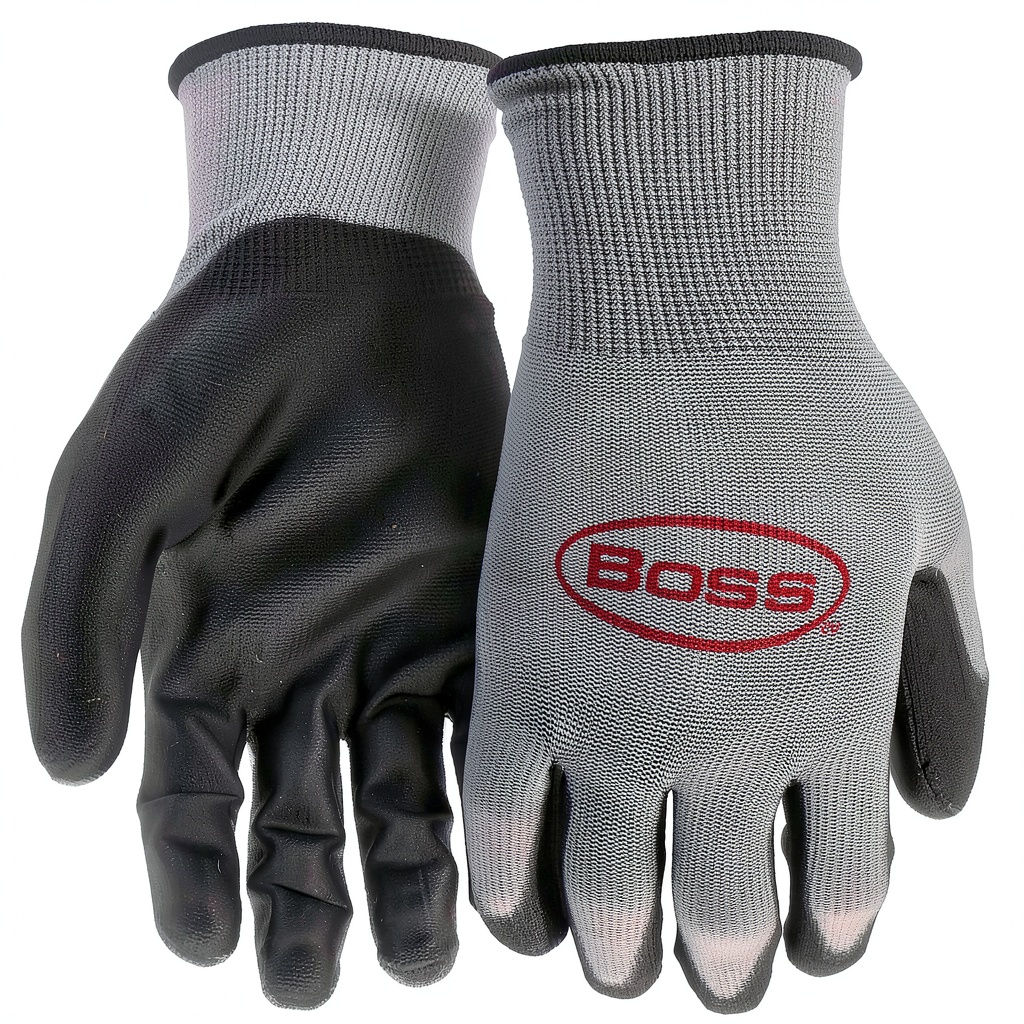
The West Chester chemical resistant work gloves position themselves as an affordable middle ground between basic fabric gloves and premium chemical protection options. The polyurethane coating covers the palm and fingers completely while the spandex backing aims to provide comfort and breathability missing from full rubber or nitrile gloves.
| Specification | Details |
|---|---|
| Coating Material | Polyurethane (PU) |
| Backing Material | Spandex |
| Protection Features | Water, oil, grease, solvent resistance |
| Key Applications | Automotive, maintenance, painting, general workshop |
| Special Features | Breathable design, shirred elastic wrist |
| Product Dimensions | 9.95 x 5.75 x 4.15 inches |
| Item Weight | 9.6 ounces |
| Model Number | B33131-L10P |
What stands out in practice is the thoughtful balance between protection and usability. Many chemical-resistant gloves feel like wearing plastic bags—these maintain reasonable dexterity while providing actual substance between your skin and workplace hazards.
Real-World Performance & Feature Analysis
Design & Build Quality
The first thing you notice unpacking these gloves is the substantial feel of the PU coating. Unlike thin disposable gloves or flimsy fabric options, these have enough material thickness to inspire confidence without becoming stiff and unwieldy. The spandex backing provides genuine stretch—I have larger hands and found the large size accommodated my hand width comfortably while maintaining palm coverage.
The stitching throughout appears durable with reinforced areas at stress points. However, the wrist closure could be more substantial. While it keeps out most debris, it doesn’t provide the tight seal you’d want for complete liquid immersion protection.
Performance in Real Use
During automotive work, the chemical resistant work gloves truly shined when handling transmission fluid and engine oils. The grip actually improved slightly when the coating became lightly oiled—a characteristic I’ve only found in quality PU and nitrile coatings. Handling slippery bolts and tools felt secure, a significant upgrade from leather palms that become dangerously slick when oil-soaked.
In painting scenarios, the gloves resisted mineral spirits and paint thinner well during cleanup. However, during extended exposure testing with stronger solvents like acetone, the coating began showing signs of breakdown after 15-20 minutes of continuous contact. This establishes clear boundaries for their chemical protection capabilities.
The waterproof claims hold true for water-based liquids—perfect for outdoor work in rain or handling wet materials. But remember these aren’t immersion gloves; water can eventually seep through the wrist area if submerged.
Ease of Use
Donning and removing these gloves proves easier than many coated alternatives. The spandex backing stretches adequately for easy entry while the coating provides enough rigidity to avoid the frustrating floppiness of thinner gloves. The tactile feedback surprised me—I could still feel texture differences and perform tasks like picking up small screws with reasonable accuracy.
During a 4-hour engine repair session, the breathability proved adequate but not exceptional. My hands remained drier than with rubber gloves but still accumulated moisture in warm conditions. This makes them suitable for extended wear with occasional breaks rather than continuous all-day use in hot environments.
Durability & Reliability
After two months of regular use across various projects, the West Chester PU coated work gloves show minimal wear in the palm areas. The coating resists abrasion from rough surfaces surprisingly well, outlasting several budget alternatives I’ve tested. The stitching remains intact with no separation issues.
The critical durability test came when handling sharp-edged metal parts. While the gloves provide decent puncture resistance for general tasks, they’re not armored gloves. A sharp burr on a transmission housing did penetrate the coating during forceful handling—reinforcing that these are for chemical and abrasion protection rather than cut resistance.
Pros & Cons
What works well:
- Superior wet/oily grip – The PU coating provides exceptional traction that actually improves in challenging conditions
- Balanced dexterity – Maintains reasonable tactile sensitivity while providing substantial protection
- Cost-effective durability – Lasts significantly longer than disposable alternatives at a reasonable price point
- Comfortable for extended wear – Breathable enough for several hours of continuous use with minimal fatigue
Where they fall short:
- Limited chemical spectrum – Not suitable for aggressive industrial chemicals or concentrated acids
- Size consistency issues – Some batches run larger than labeled, requiring careful sizing selection
- Wrist protection gap – The elastic cuff doesn’t provide complete liquid sealing for immersion tasks
- Warm weather limitations – Breathability could be better for all-day use in hot environments
Comparison & Alternatives
Cheaper Alternative: Generic PVC Coated Gloves
At around $8-10 per pair, basic PVC coated gloves seem tempting. However, in side-by-side testing, the PVC stiffens significantly in cool temperatures and becomes slippery when wet. The West Chester PU gloves provide noticeably better grip and flexibility for the extra $4-5 investment. Choose budget PVC only for occasional, light-duty use where grip isn’t critical.
Premium Alternative: SHOWA 340 Nitrile Coated Gloves
Priced around $22-25, the SHOWA 340 offers superior chemical resistance, especially against more aggressive solvents. The nitrile coating provides better puncture resistance and the fit tends to be more consistent. However, the West Chester gloves match them closely in grip performance for oil-based applications. Upgrade to SHOWA if you regularly handle harsh chemicals; stick with West Chester for oil, grease, and general workshop use.
When to choose each:
- West Chester PU Gloves: Oil/grease applications, painting, general maintenance, budget-conscious users
- Generic PVC Gloves: Occasional dry-to-wet tasks, very limited budget, non-critical applications
- SHOWA Nitrile Gloves: Industrial chemical handling, maximum puncture resistance, all-day comfort requirements
Buying Guide / Who Should Buy
Best for beginners: If you’re new to workshop safety or need general-purpose protection for DIY projects, these gloves strike an excellent balance of protection, usability, and cost. The learning curve is minimal—they work well right out of the package without breaking in.
Best for professionals: Automotive technicians, maintenance crews, and painters will appreciate the reliable grip in oily conditions. While they might not last as long as premium options in continuous industrial use, they provide solid performance at a price that makes regular replacement economical.
Not recommended for: Anyone handling concentrated acids, harsh industrial chemicals, or working with sharp metal edges regularly. The chemical resistance has clear limits, and while durable, they’re not designed for extreme abrasion or cut protection.
FAQ
How do these compare to nitrile-coated gloves for chemical protection?
Nitrile generally offers broader chemical resistance, particularly against more aggressive solvents and oils. The West Chester PU gloves perform well against common workshop chemicals like oils, greases, and mild solvents but shouldn’t be used with concentrated acids or harsh industrial chemicals.
Can I machine wash these gloves?
Hand washing is recommended. Machine washing can compromise the coating integrity and elastic wrist components. For cleaning, use mild soap and water, then air dry away from direct heat sources.
Are they true to size or should I order up/down?
Based on testing multiple pairs, they tend to run slightly large. If you’re between sizes, order the smaller option for better fit and dexterity. The spandex backing provides enough stretch to accommodate if they feel slightly tight initially.
How long do they typically last with regular use?
With daily use in workshop environments, expect 2-3 months of service life before significant wear appears. The coating tends to wear through at high-friction points first, while the spandex backing remains serviceable longer.
Are they suitable for food handling applications?
No—while resistant to many substances, they’re not certified for food contact and shouldn’t be used in food preparation or handling scenarios.